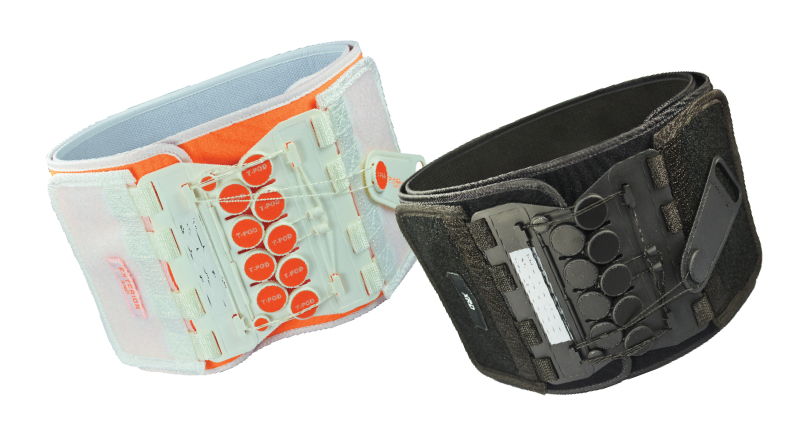
The Arrow™ T-POD™ Pelvic Stabilization Device from Teleflex provides circumferential compression to the pelvis in patients with suspected pelvic fracture for pelvic stabilization, which may reduce blood loss and pain.
Pelvic ring injury is associated with a significant risk of mortality (24-38%) and requires urgent management.1 Clinical evidence indicates that pelvic stabilization devices like the Arrow™ T-POD™ Device can improve pelvic fracture outcomes2. Immediate application of a correctly applied pelvic binder in hemodynamically unstable patients may be lifesaving.2
| ITEM NUMBER | DESCRIPTION | COLOR CODE | QTY/CASE |
|---|---|---|---|
| T-PODC | Arrow™ T-POD™ Combat Pelvic Stabilization Device | Black | 1 |
| T-PODR | Arrow™ T-POD™ Responder Pelvic Stabilization Device | Orange | 1 |